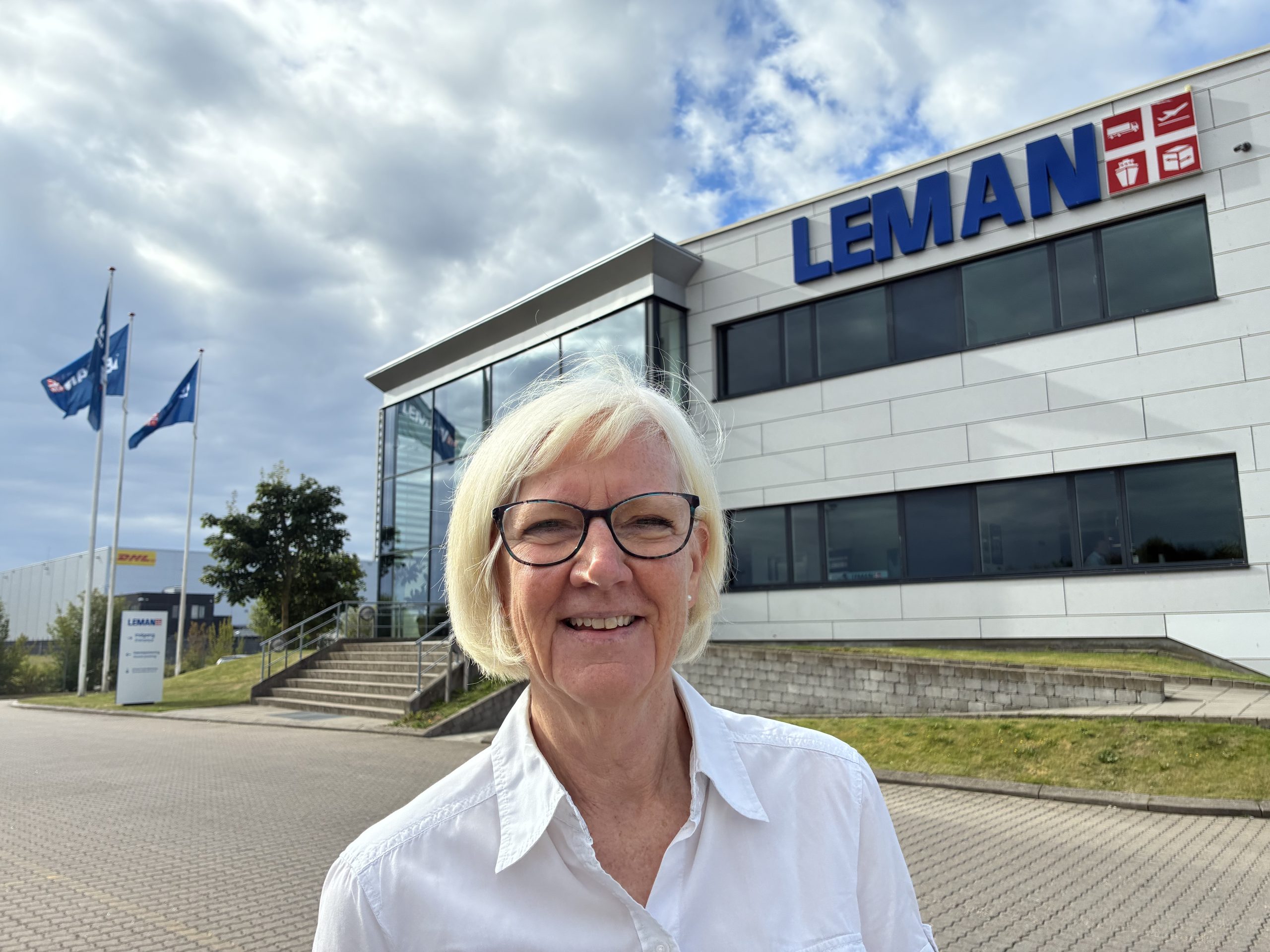
When Anne Westermann joined LEMAN as a trainee in 1976, post was sorted into pigeonholes, documents were typed with several colour-coded carbon copies, and experienced customs specialists smoked cigars in the office. Since then, she has worked across almost every part of the business, helped relocate offices, integrate new companies and develop the IT solutions that still shape day-to-day work. On 1 August, she celebrated 50 years at LEMAN – with no plans to stop.
Anne Westermann had originally imagined a future in banking or somewhere else where she could work with numbers. The fact that she ended up in freight forwarding instead was almost a coincidence.
A family acquaintance suggested that she apply for a traineeship at LEMAN. Anne knew very little about freight forwarding, but thought it sounded interesting. She therefore sent an application, and on 1 August 1976 she started as a trainee in the customs clearance department in Copenhagen.
She had no idea that she would still be here 50 years later:
“When I walked through the door, I certainly did not think that I would spend the rest of my working life here. It simply turned out that way because new and interesting tasks kept coming along,” Anne says.
From cigars and typing pools to Teams and AI
Her first years at work looked very different from everyday life at LEMAN today. The morning post arrived in large sacks and was opened and sorted by Anne and the other trainees.
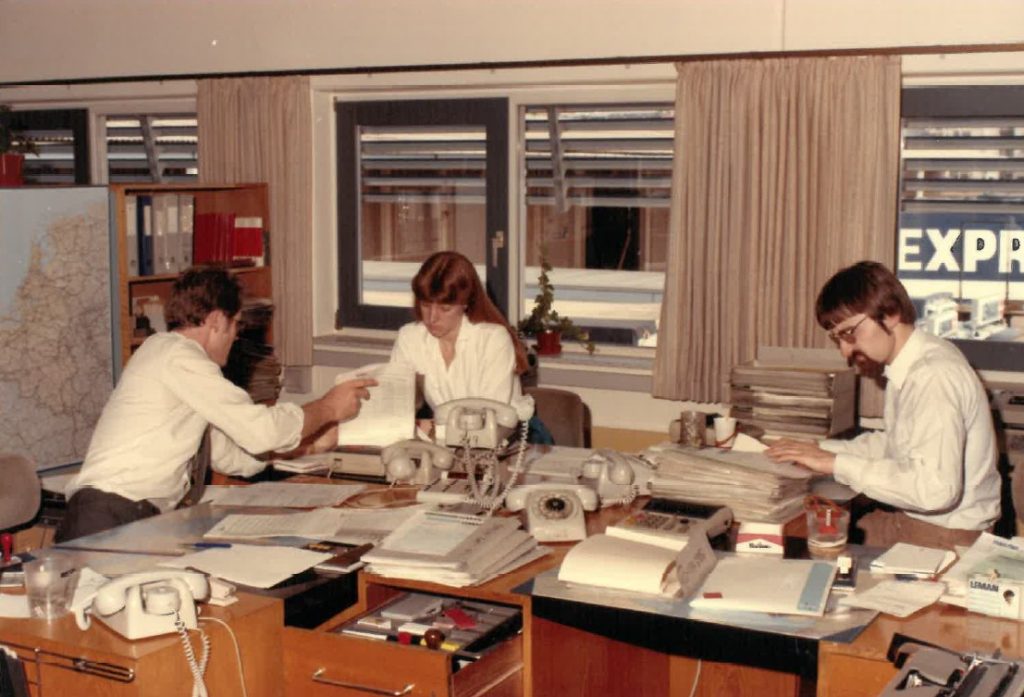
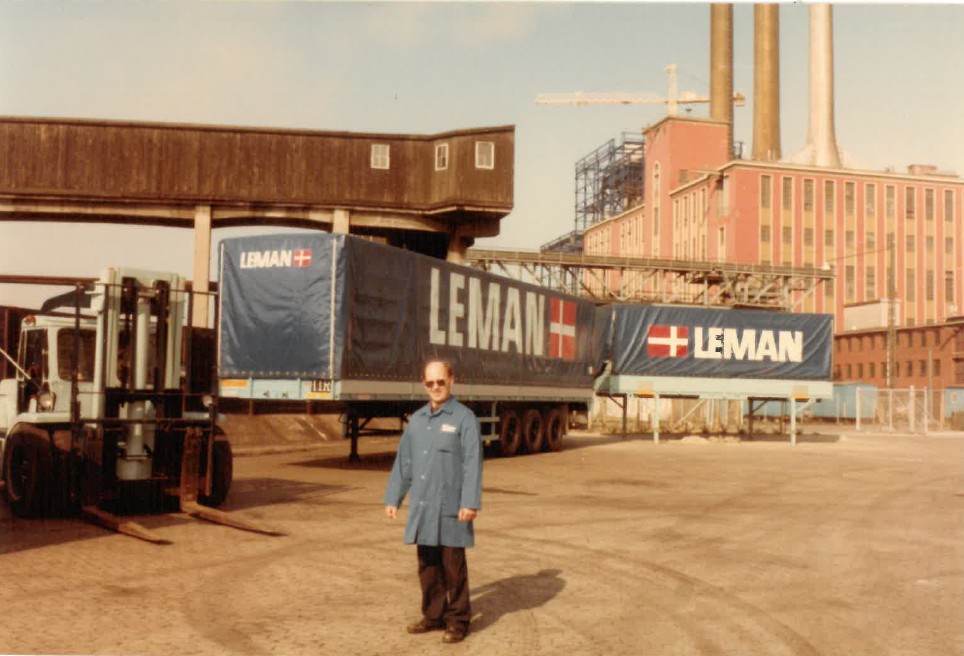
Documents had to be filed physically, and copies were produced using, among other things, a spirit duplicator, which could leave you feeling slightly light-headed after prolonged use. When something needed to be typed, it was handed to one of the women in the company’s typing pool. They produced documents with several carbon copies in different colours, which then had to be placed in the correct trays, sent by post or stored in the archive. Punch cards, telex, fax, computer systems, email, the internet, smartphones and Teams followed later.
According to Anne, LEMAN was an early adopter of IT, and other freight forwarding companies visited to see the systems the company was using:
“I remember when we got a fax machine. It seemed very strange that you could put a piece of paper into a machine and the same piece of paper would come out somewhere else in the world. It was quite impressive at the time.”
Technology has changed almost everything surrounding transport, but according to Anne, the core of the work remains the same:
“Fundamentally, we still move goods from A to B. Today, we have far more technical tools and much more information, but professional expertise, good customer service and the ability to plan transports effectively are still essential.”
As digital capabilities have grown, so have customer expectations. In the past, people often assumed that a delivery had gone well if nobody called. Today, customers expect ongoing information and full visibility throughout the transport process.
Anne stresses that this is not unique to LEMAN, but a natural part of the way society and the entire logistics industry have developed.
Ten different roles in the same company
Anne started in customs clearance, but moved into the traffic teams while she was still a trainee. There, she worked with both imports and exports and, over the years, covered almost every European country.
At the time, traffic planners handled almost the entire process themselves. They received bookings, spoke with customers, contacted agents, followed up on transports and went down to the warehouse to inspect the goods and talk to the drivers.
During her career, Anne has worked with letters of credit documentation, the planning of railway wagons and swap bodies – tasks that are now either handled very differently or have almost disappeared.
She later became deputy manager and took on a wide range of tasks across the organisation. She worked with personnel administration, collective bargaining, quotations, major customers and collaboration between the business, Finance and IT.
For almost ten years, she was Key Account Manager for one of LEMAN’s largest customers and developed an in-depth understanding of the customer’s business:
“You have to understand how the customer thinks and what the customer needs. And when something unexpected happens, you need to contact the customer before they discover the problem themselves. It is much easier to maintain trust when you are honest and stay ahead of the situation.”
It is precisely the variety of roles that has made Anne stay:
“I often say that it almost feels as though I have worked for ten different companies. The name has simply always been LEMAN.”
Whenever she began to wonder whether it was time to try something else, a new internal opportunity appeared. Her career therefore never became 50 years of doing the same job, but five decades of continuous change and development.
She moved as LEMAN moved and grew
Anne has not only worked with day-to-day operations. She has also been closely involved in several of the major physical and organisational changes at LEMAN Denmark.
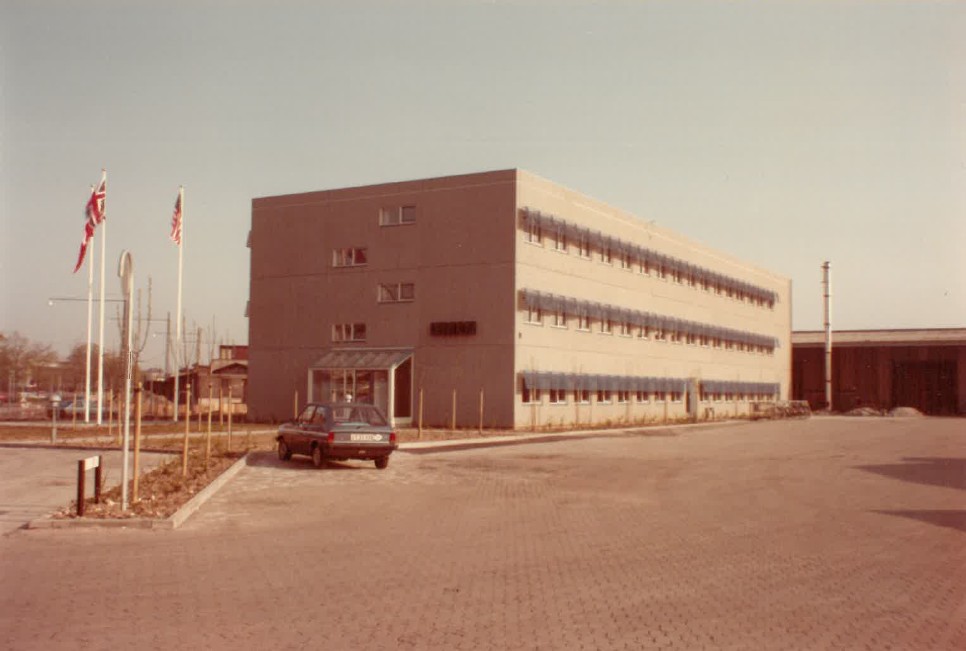
She helped plan the moves from Østbanegade to Tjæregade and later to Greve, as well as the relocation of various branches in Jutland to Taulov. When the current head office and the Taulov office were established, Anne was among those who assessed locations, transport links and interior design – right down to the choice of flooring and facilities.
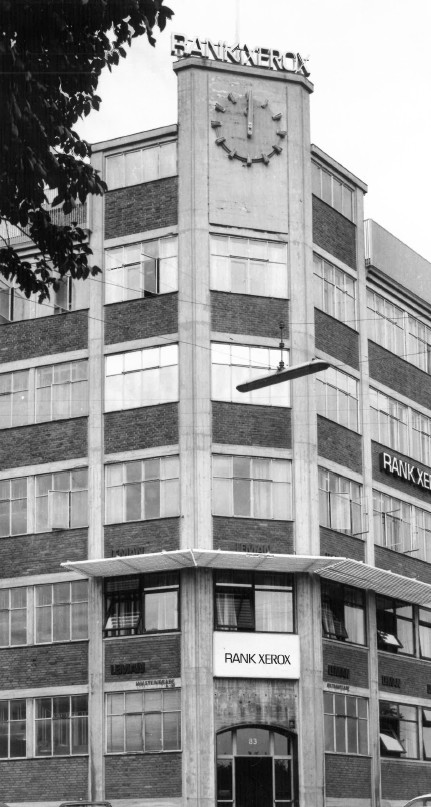
She was also responsible for the practical side of several relocations. Together with colleagues, she travelled around marking what should be moved and what should be discarded. When colleagues arrived after the move, Anne had spent the weekend putting name cards on the desks so that everyone could find their new place:
“It was genuinely exciting to make all the details come together and see that it actually worked when people arrived at work.”
Anne also played a role in integrating colleagues from companies including Otto Hansen and Dan Cargo. The task was not only about systems and processes, but also about helping new colleagues feel that they were part of LEMAN.
That fits well with the role she has often played in the organisation: the practical problem-solver and the link between different parts of the company:
“Creating large process diagrams is not my favourite thing. But give me a specific task, and I will get it sorted.”
Proud of solutions that still work
Today, Anne is Global Business Process Owner, Road DK. She continues to work with the development of processes and IT systems – an area that has been a common thread throughout much of her career.
When asked what she is most proud of, she points to the IT solutions:
“That is where you can clearly see the results. Several of the things I helped develop are still being used, and new requests and new tasks continue to emerge.”
Anne was involved in the decision to purchase and develop the system now known as Carlo. She was also previously responsible for recruiting trainees. Several of them stayed with LEMAN for many years, while some left the company and later returned.
For Anne, there is a particular satisfaction in seeing that an early choice proved to be the right one – both for the individual and for the company.
The sense of community has changed
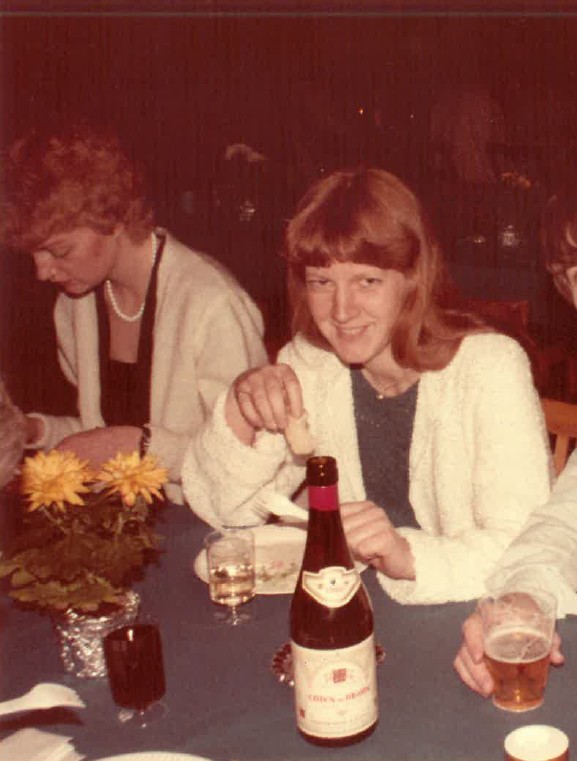
When Anne looks back at LEMAN in the 1970s and 1980s, what she remembers most is the closeness between colleagues. LEMAN was a smaller and more locally focused company, and most people knew one another. They worked hard, but there was also plenty of laughter. After long working days, colleagues might go to the pub together, and social activities played a major role.
For around ten years, Anne chaired the staff association. Among the experiences she remembers most fondly are a Christmas party in Dyrehaven, a cycling trip on the island of Hven and a rowing trip on Lyngby Lake:
“We were extremely busy, but it was often almost as though the busier we were, the more fun we had. We knew one another and worked for one another.”
As LEMAN and the rest of the world have become more global, digital and specialised, the sense of community has naturally changed. It has become harder to know everyone in a company with offices and teams across countries and time zones.
Anne does not see it as a question of the past being right and the present being wrong. The world has simply changed, and LEMAN has developed along with it. Today, that closeness is found more within individual teams than across the entire company.
Her current team is an important reason why she still enjoys coming to work:
“The tasks are still interesting, and we have fun in the team. That matters a great deal. You should be happy when you go to work.”
“Where did those 50 years go?”
Anne never had a long-term plan to stay at LEMAN throughout her working life. After completing her traineeship, she actually left the company for six months and went to Germany because she was not sure that an office-based career was right for her. But LEMAN called and asked her to come back. She did, and she has stayed ever since.

Over the years, she has considered changing jobs several times, but each time a new task, role or challenge has appeared. She therefore does not regard the 50 years as a particular achievement that she deliberately worked towards:
“I have simply enjoyed coming to work and enjoyed being with my colleagues. Then I came back the next day. Suddenly, 50 years have passed.”
More than anything, the anniversary makes her wonder how quickly time has passed:
“When you have been here for 50 years, you must have become old. But what I mostly think is: What have I actually done, and where did all those years go?”
The answer is that Anne has done a bit of everything – from opening post and making copies on a spirit duplicator to developing digital business systems in a global logistics company.
If the young Anne of 1976 could see LEMAN today, the experienced version believes her reaction would be simple:
“Hardly recognisable.”
Advice after 50 years
When Anne is asked to offer advice to younger colleagues, it is not about staying at the same workplace for 50 years. It is about finding work you enjoy and taking responsibility for it while you are there:
“You should take pride in doing your work properly. Not be overly deferential, but be curious, listen and make an effort. And ideally, you should enjoy going to work.”
After 50 years, Anne remains curious about new tasks. Retirement is therefore not at the top of her list just yet.
There are still systems to develop, problems to solve – and colleagues to help.
Anne through 50 years
Best advice: Enjoy your work and take pride in doing it properly
Joined LEMAN: 1 August 1976
First role: Trainee in the customs clearance department
Current role: Global Business Process Owner, Road DK
Has worked with: Customs clearance, traffic planning, customer service, Key Account Management, personnel administration, company integrations, office relocations, processes and IT
Has seen the development from: Typing pools, punch cards and telex to the internet, Teams and AI
Most proud of: The IT solutions she has helped develop