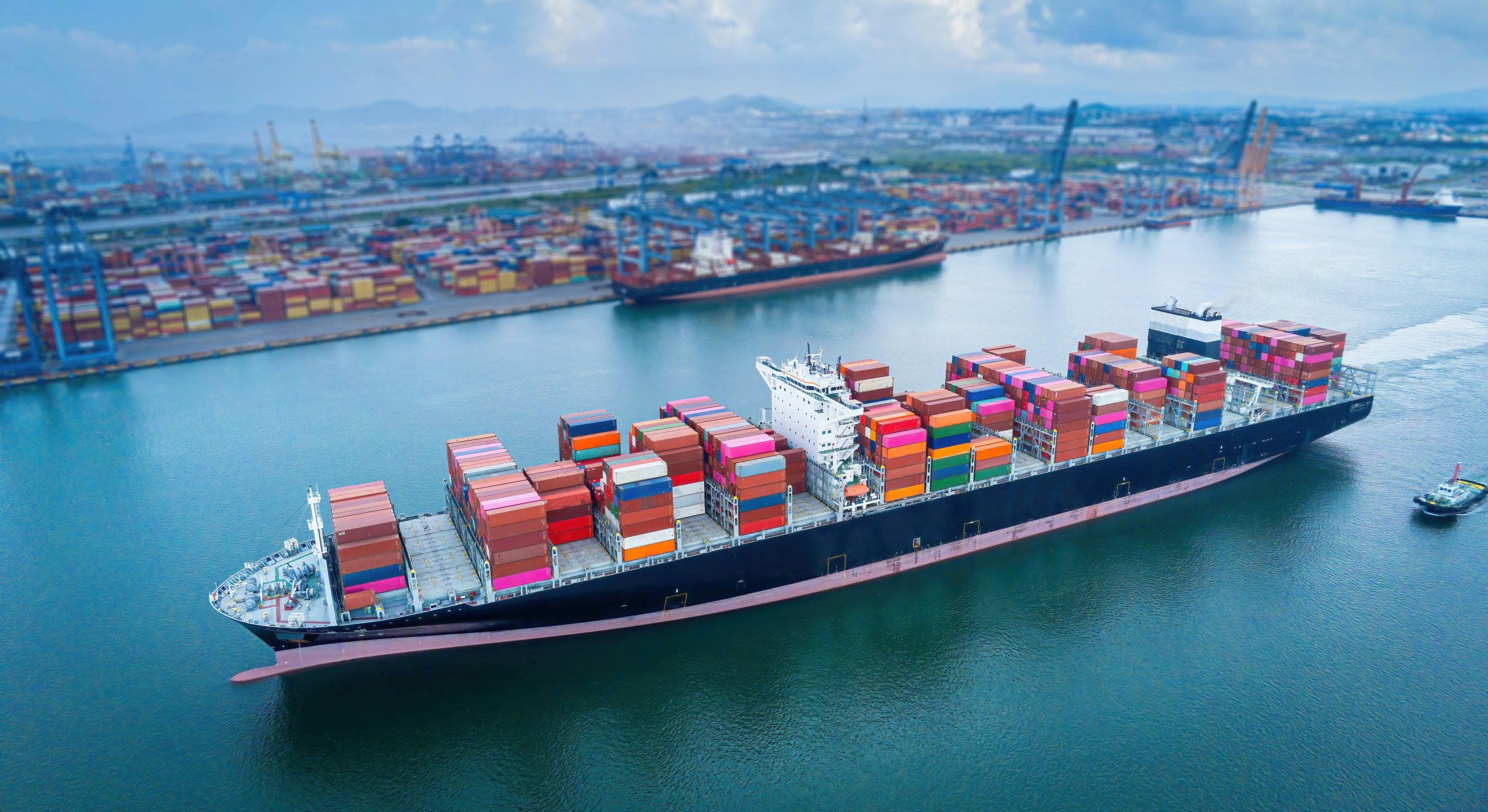
Successive tropical systems and ongoing port congestion are continuing to affect ocean freight operations across East Asia. Shanghai, Ningbo and Busan remain key areas to watch, with vessel schedule changes, berth congestion and network recovery affecting sailing reliability.
Customers with shipments from or through the region should allow additional lead time and be prepared for continued schedule changes in the coming weeks.
Shanghai and Ningbo remain under pressure
Eastern China has experienced several tropical systems in succession, disrupting port, terminal and inland transportation operations before existing backlogs had been fully cleared.
Shanghai and Ningbo have been among the most affected gateways. Temporary terminal suspensions, vessel schedule adjustments and berth congestion have contributed to continued disruption.
Recent operational updates indicate waiting times of approximately 7–11 days at certain Shanghai terminals and around six days in Ningbo, depending on carrier and service.
Congestion also affecting Busan
Busan is currently experiencing significant berth congestion, partly driven by increased transshipment activity following port omissions and contingency measures elsewhere in the region.
Vessel waiting times are currently around 1.5–2 days, while yard utilisation remains high. The situation may increase the risk of delays and rolled bookings for cargo originating in Korea or transshipping through Busan.
What this could mean for your shipments
The situation remains highly dynamic, and the impact will vary depending on origin, carrier, service and vessel rotation.
Customers may experience delays ranging from several days to, in some cases, two to three weeks. Rollovers, blank sailings, missed cut-offs, port omissions and further schedule changes are also possible while carrier networks continue to stabilise.
We recommend that customers:
build additional lead time into time-sensitive shipments and project cargo
secure capacity and allocations as early as possible
avoid treating scheduled ETD and ETA as firm until vessel rotations have stabilised
review individual shipments based on origin, carrier, service, equipment and vessel rotation.
LEMAN is monitoring developments closely
Our colleagues are monitoring carrier schedules, port conditions, equipment availability and developments affecting active customer shipments.
We will communicate material changes as the situation develops. For shipment-specific information, please contact your usual LEMAN representative.