By Henrik Kristensen, CEO, LEMAN USA
As more businesses move production closer to their US customers, North American supply chains are undergoing significant changes. Nearshoring promises shorter lead times and greater flexibility, but relocating manufacturing is only part of the equation. Building an efficient supply chain around the new setup is where the real challenge begins.
Geopolitical uncertainty, shifting trade policies and recent supply chain disruptions are encouraging companies to reconsider where they manufacture their products and how they serve their customers.
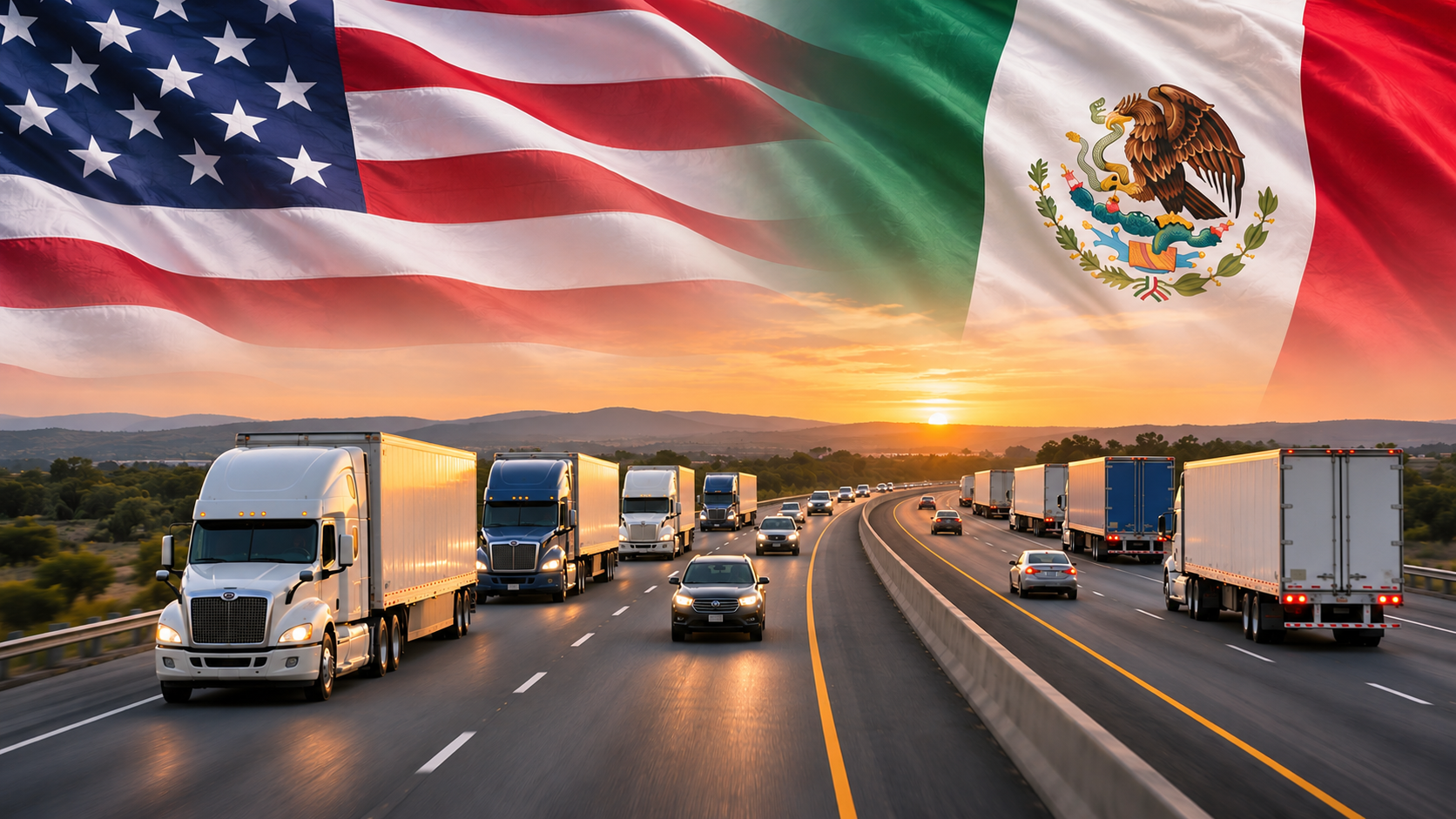
In North America, this shift is particularly visible in the growing importance of Mexico and renewed interest in domestic US manufacturing. According to the US Census Bureau, goods trade between the United States and Mexico exceeded USD 870 billion in 2025, illustrating how closely connected the two economies have become.
At LEMAN, we are seeing this development first-hand. Some of our customers have moved production to the United States, while others have established manufacturing operations in Mexico. The ambition is often the same: to operate closer to end customers and respond more quickly to changing demand.
However, a shorter distance to market does not automatically mean a simpler supply chain.
A new factory means a new supply chain
Establishing production in a new country requires more than finding a suitable location. Companies need manufacturing facilities or partners, reliable access to raw materials and components, and transport connections that support the entire operation.
A business that previously imported finished goods directly from Asia into the United States may now source components internationally, manufacture in Mexico and transport finished products across the US border.
Nearshoring therefore does not necessarily eliminate international logistics. It changes its structure, potentially introducing new transport movements, suppliers and customs requirements.
The key is to consider these implications before production moves, rather than designing the logistics setup afterwards.
Inventory strategy becomes a competitive advantage
One of the main benefits of regionalisation is the opportunity to respond faster to customer demand. But achieving that benefit depends on how businesses manage production, inventory and distribution.
Should a company operate one national distribution centre serving the entire United States, or establish regional facilities?
There is no universal answer. Regional distribution centres may improve delivery times, but they can also increase operating costs and the amount of inventory required.
The right solution depends on customer locations, demand patterns and service expectations. Finding the balance between cost, efficiency and flexibility is essential.
Trade uncertainty adds another layer of complexity
Alongside these operational considerations, businesses must navigate an increasingly unpredictable regulatory environment.
Tariffs, customs procedures and import requirements can significantly influence supply chain decisions. The ongoing discussions surrounding the United States–Mexico–Canada Agreement (USMCA) are one example.
Following the agreement’s joint review in July 2026, the United States declined to extend it under the existing terms. The agreement remains in force, but discussions about its future continue.
Meanwhile, changes in US customs enforcement are creating more immediate challenges.
Since September 2026, US Customs and Border Protection has introduced stricter verification of Importer of Record information. Incorrect or incomplete registrations can result in importer numbers being invalidated, potentially disrupting customs clearance.
Further requirements announced in November 2026 will tighten the rules for foreign importers from January 2027, including new obligations concerning customs security programmes and the use of approved customs brokers.
For businesses relying on established importing arrangements, these developments may require changes to how shipments are managed and cleared.
The challenge is not simply keeping up with new regulations. It is understanding their practical implications and adapting operations before they affect the flow of goods.
The real opportunity is greater resilience
For companies considering nearshoring, my advice is to look beyond the location of the factory.
An effective regionalisation strategy must consider the entire supply chain, from sourcing and inbound transport to warehousing, customs and final delivery. These elements need to work together if the expected benefits are to materialise.
At LEMAN, our operations in the United States and our presence in Nuevo Laredo, along one of North America’s most important cross-border freight corridors, give us valuable insight into these developments and the challenges our customers face.
Our role is not simply to move goods from one location to another. It is to help businesses understand their options, anticipate potential disruptions and make informed decisions. That requires local knowledge, practical experience and people who understand the realities of operating across borders.
Nearshoring is often presented as a way to reduce costs or bring production closer to consumers. Both can be important benefits, but I believe the greater opportunity is to build supply chains that are more responsive, adaptable and resilient.
Regionalisation will not eliminate uncertainty. What it can provide is greater control over how businesses respond to it.
Ultimately, the companies that benefit most from nearshoring will not necessarily be those that move production fastest, but those that build the most effective supply chains around their new operating models.
Henrik Kristensen is CEO of LEMAN USA. With extensive experience in international logistics and supply chain management, he shares his perspectives on the developments shaping North American trade and the challenges and opportunities facing businesses operating in the region. This article reflects his observations and insights from the market.